Scientists Spark Auroras In a Bottle for Traveling Northern Lights Show
The glowing colors and dancing lines of the Northern Lights could soon appear inside an educational institution near you.
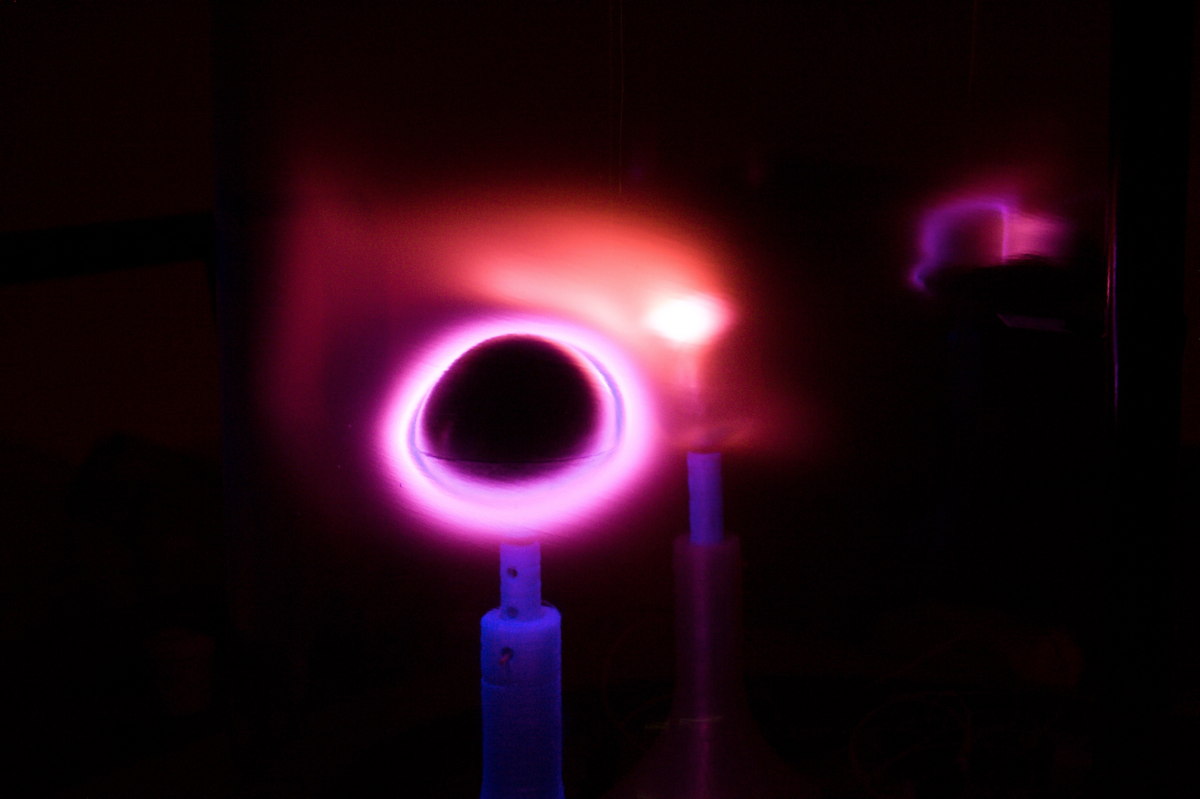
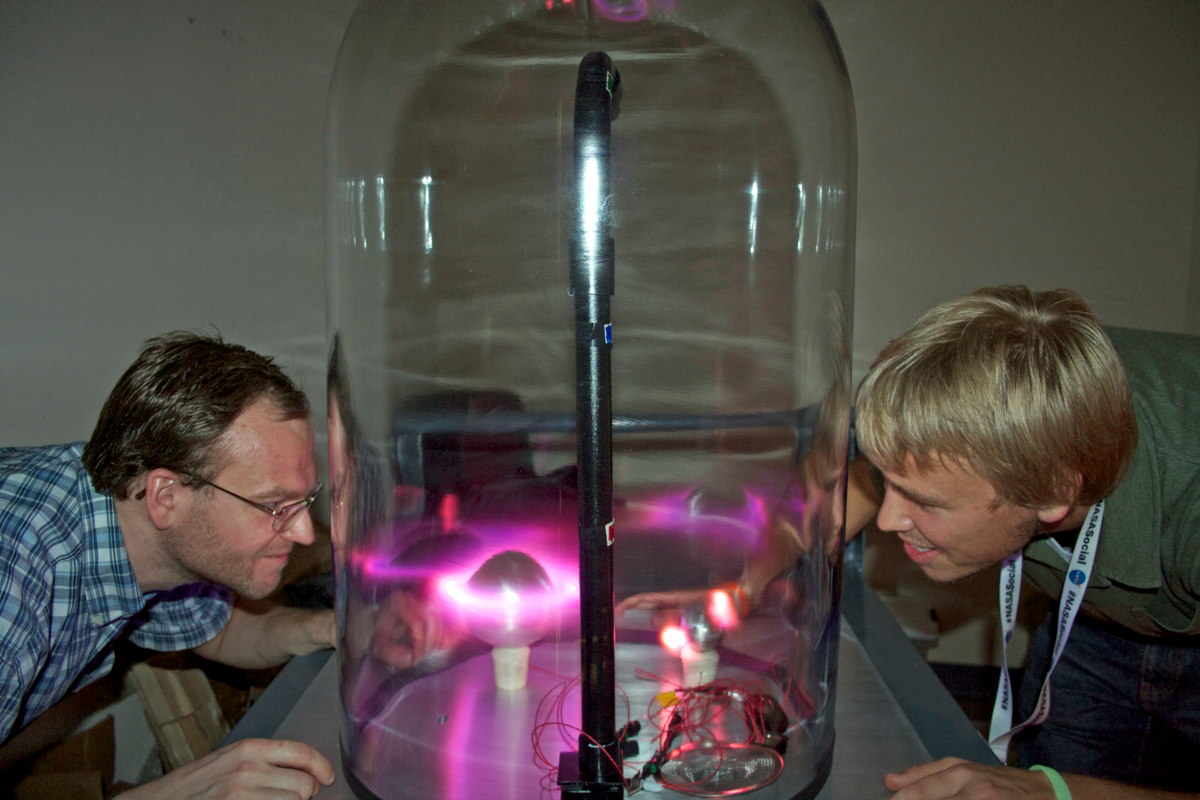
A small device called Planeterrella bottles all the ingredients needed for the naturally occurring lights show — a magnetic field, a sphere and charged particles — and creates a mini version of the auroras inside.
The concept, which was imported from Europe, will be on display at the Virginia Air and Space Center in a few months. Another device will travel from classroom to classroom.In addition to offering a Northern Lights display, Planeterrella can also, in limited form, show the differences between aurora on different planets.
Where charged particles collide
Auroras are common on planets with magnetic fields, such as Earth. Particles streaming from the sun hit Earth’s magnetic field lines and travel to the magnetic north and south poles. As the particles brush with Earth’s upper atmosphere, they excite atoms of nitrogen, oxygen and other gases and cause the lights.
These dancing lights have also been spotted on other planets in the solar system, including Mars, Jupiter, Saturn, Uranus and Neptune. Other processes could also contribute to the aurora; on Saturn, for example, some researchers say a rain of particles from its ring could help light up the skies.
Planeterrella works to capture this process in miniature. Its European creators drew inspiration from a 19th century experiment called Terrella, which showed how charged particles glow when they hit a magnetic field. Planeterrella includes several spheres to better recreate how auroras wrap around Earth’s poles.
Research limitations
The machine, said lead researcher Guillaume Gronoff in a statement, is intended to illustrate the differences in how aurora are generated at different planets.
“The Planeterrella allows us to create analogies with existing processes, like the aurora at Mars, which do not have a global magnetic field, but several localized magnetic fields, or Uranus and Neptune, when the magnetic fields of those planets point towards the sun,” said Gronoff, who is a research scientist at NASA Langley Research Center in Virginia.
The experiment is not a perfect recreation, however, as it does not show the whole picture.
"For example, there are various gases on each planet that can create different color effects within auroras,” NASA scientists said in a statement. “Gronoff is planning on incorporating this variable using a few extra magnets and some carbon dioxide to simulate the aurora at Mars.”
Planeterrella’s creator was Gronoff’s Ph.D. advisor, Jean Lilensten. Lilsensten is from the Centre national de la recherche scientifique and the Institut de Planetologie et d’Astrophysique de Grenoble in France.


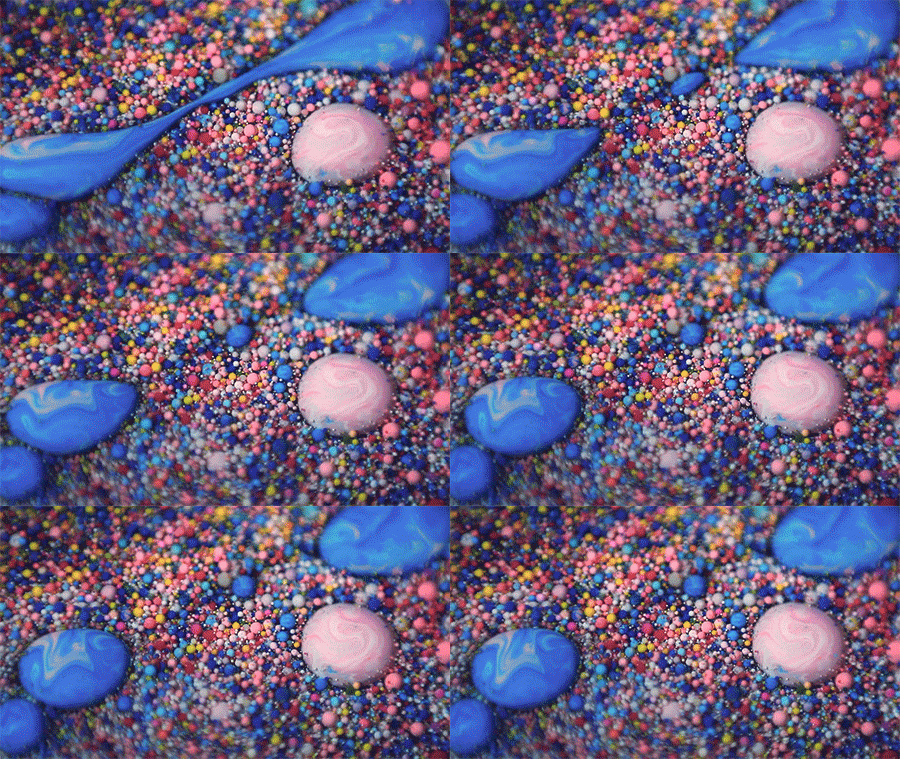
The photo sequence in the upper image shows, left to right, a fluid-filled tube falling under gravity, impacting a rigid surface, and rebounding upward. During free-fall, the fluid wets the sides of the tube, creating a hemispherical meniscus. After impact, the surface curvature reverses dramatically to form an intense jet. If, on the other hand, the tube is treated so that it is hydrophobic, the contact angle between the liquid and the tube will be 90 degrees during free-fall, impact, and rebound, as shown in the lower image sequence. The liquid simply falls and rebounds alongside the tube, without any deformation of the air-liquid interface. (Photo credit: A. Antkowiak et al.)
Lasers and impacting droplets can’t fail to impress. PIV is a flow viz technique in which small ‘seeder’ particles are released into a flow and laser light and cameras are used to map the positions of these particles. From these measurements flow quantities like velocity can be calculated.
In this example the interplay between a liquid surface and the air around it is seen as a drop collides with the liquid surface. It looks like the seeding machine is just off the left of screen and producing some pretty good vortices.
Source: IntellectualVentures




Cardioid, example drawn for Fall 2013 Visual Mathematics class
Tool needed: compass
Construction: draw a circle and plot regular points along the circle. Choose one fixed point and draw all circles that have as centers the other points along the circle that also contain the fixed point.
For more cardioid fun, and to see what influenced my students, watch Vi Hart’s “Connecting Dots” doodling in math class video.
So, I finally started a subtumblr for all my math/art/teaching doin’s. It’s gonna be all original, y’all.


Close-up of a crocodile’s teeth, Serengeti, photograph by Paul Coleman (via National Geographic Photo of the Day)



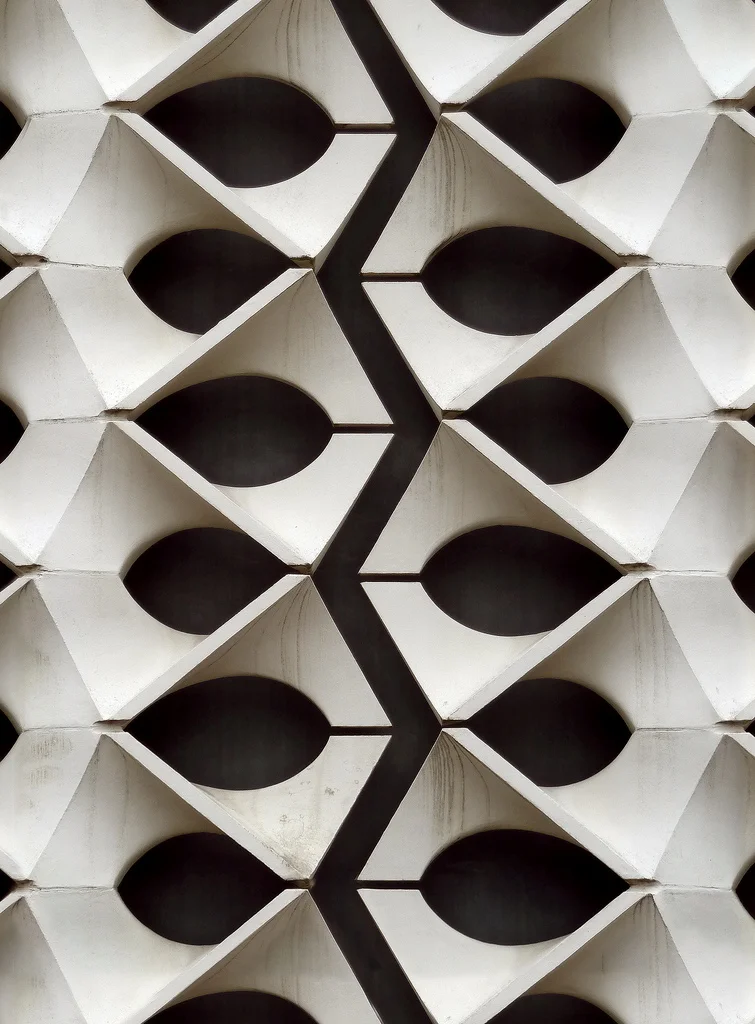
Ara114 (detail) by Matt Shlian

James Turrel - Within without, 2010

octahedral gold crystals by fluor_doublet on Flickr.
Incredible timelapse


the indian city of bikaner host an annual camel festival in january. the designs are the results of trimming and dying the camel hair. photos steve hoge and osakabe yasuo