
Source: http://mentumfuk.tumblr.com

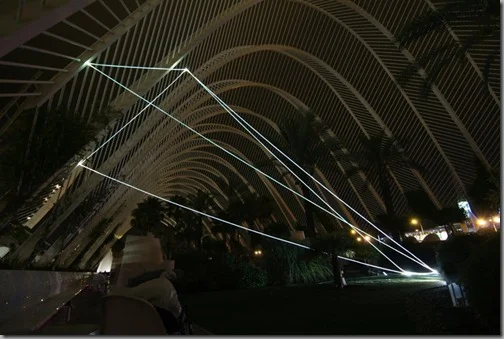


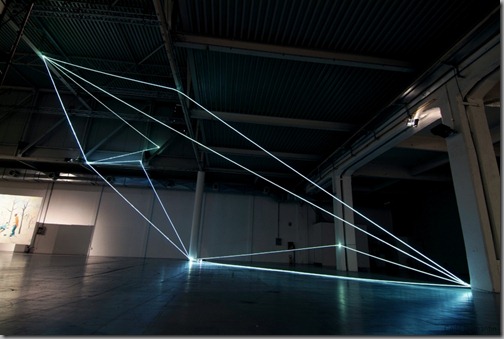


Qom, Iran.


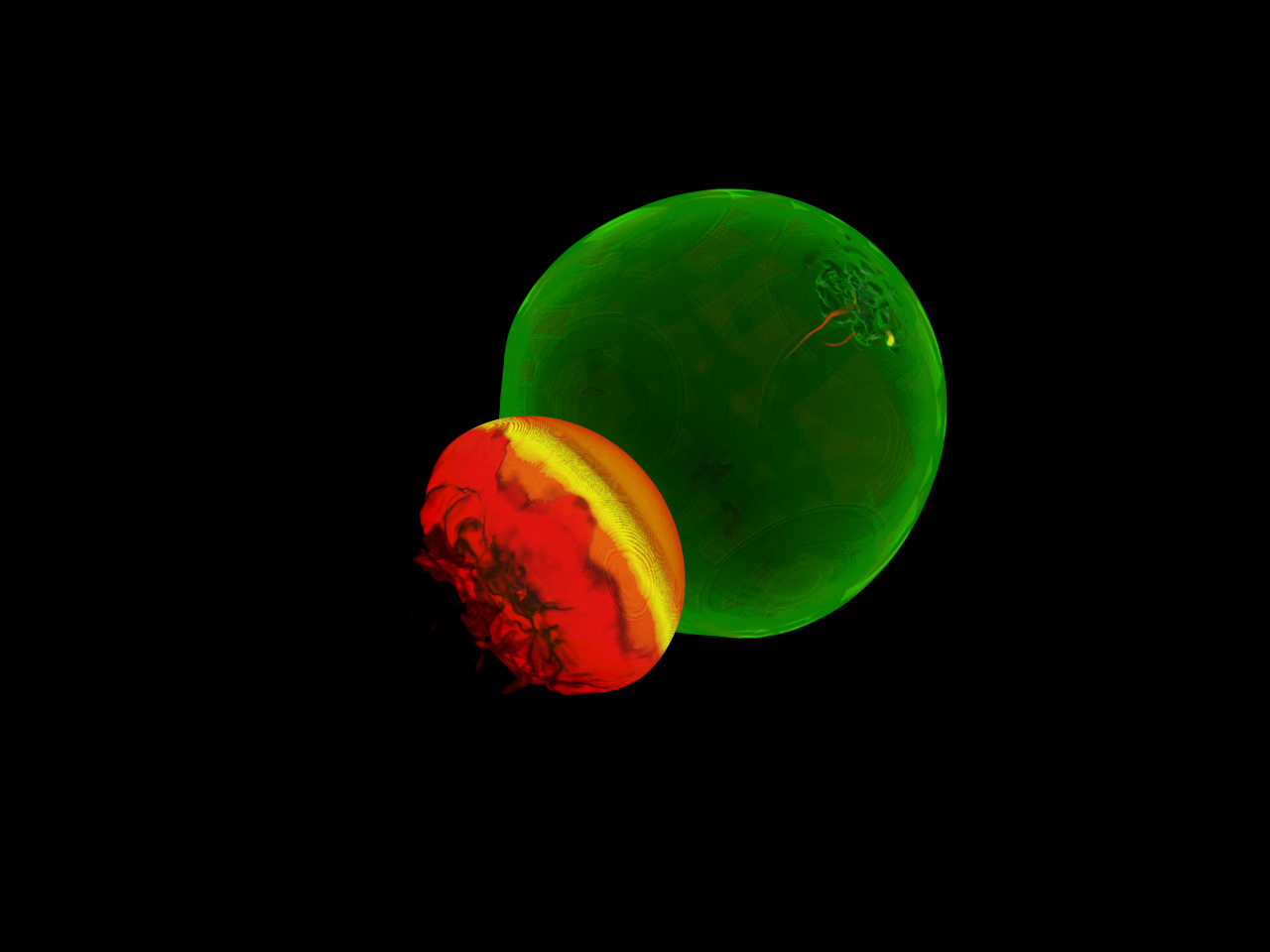


Detonation phase of the GCD model at the Flash Center for Computational Science. (As far as I can tell, this is a computer-generated model of how a particular kind of supernova might happen. Also it’s very, very pretty.)
null →


Entrapment: A Solo Exhibition by Tanapol Kaewpring
http://www.vwfa.net/kl/offsiteDetail.php?oid=72
Press Release:
The human psyche is complex. We often live in our own minds rather than be present in the moment. Intangible thoughts have the power to limit our happiness and success in life. We therefore, become trapped by the limits we allow society to impose upon us. It is these seemingly ‘little things’, that become powerful inhibitors for human beings. Tanapol Kaewpring’s body of work gives form to these abstract challenges by using a curious glass cube in the natural and urban environment as a metaphor for the systems we are constrained by. These boxes can be physical such as a house and an apartment, or symbolic such as the social frameworks of family, religion, culture and politics.
Each cube is situated within specific environments, the beach, the forest, the desert and the city. Confined inside are fire, smoke, light and water. These forces of nature have the capacity for great change, growth and destruction and yet they are still able to be controlled by humanity. Even they have their limits. These elements combined with their settings represent aspects of psychological freedom. If we are able to think outside the box, to break the glass that surrounds us perhaps we could achieve true liberation and happiness.
Kaewpring’s approach is of the personal poetic, of trapped transcendentalism. He uses digital manipulation and post production techniques to create these intense points of meditation. Philosophically he converses with Buddhism (the main religion of Thailand) and Thai culture, as a member of urban middle class who like many of their generation in Thailand question their identity whilst negotiating between tradition and modernity.


Steffen Dam


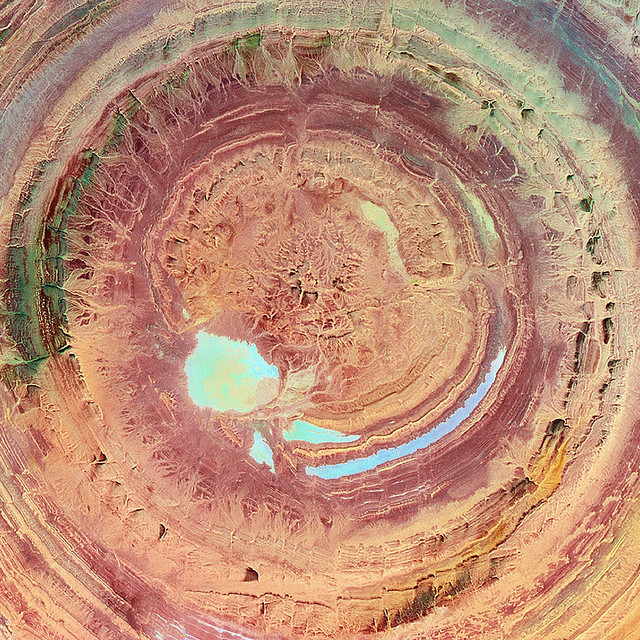


NASA satellite images of the Richat Structure.
The Richat Structure, also known as the Eye of the Sahara and Guelb er Richat, is a prominent circular feature in the Sahara desert of west–central Mauritania near Ouadane. This structure is a deeply eroded, slightly elliptical, 40-km in diameter, dome. The sedimentary rock exposed in this dome range in age from Late Proterozoic within the center of the dome to Ordovician sandstone around its edges.
Keith Harrison at the V&A →
I definitely need to talk to this man!


Sweeping the Dust from a Cosmic Lobster
New infrared VISTA image of NGC 6357
A new image from ESO’s VISTA telescope captures a celestial landscape of glowing clouds of gas and tendrils of dust surrounding hot young stars.
This infrared view reveals the stellar nursery known as NGC 6357 in a surprising new light. It was taken as part of a VISTA survey that is currently scanning the Milky Way in a bid to map our galaxy’s structure and explain how it formed.
Located around 8000 light-years away in the constellation of Scorpius (The Scorpion), NGC 6357 — sometimes nicknamed the Lobster Nebula due to its appearance in visible-light images — is a region filled with vast clouds of gas and tendrils of dark dust. These clouds are forming stars, including massive hot stars which glow a brilliant blue-white in visible light.





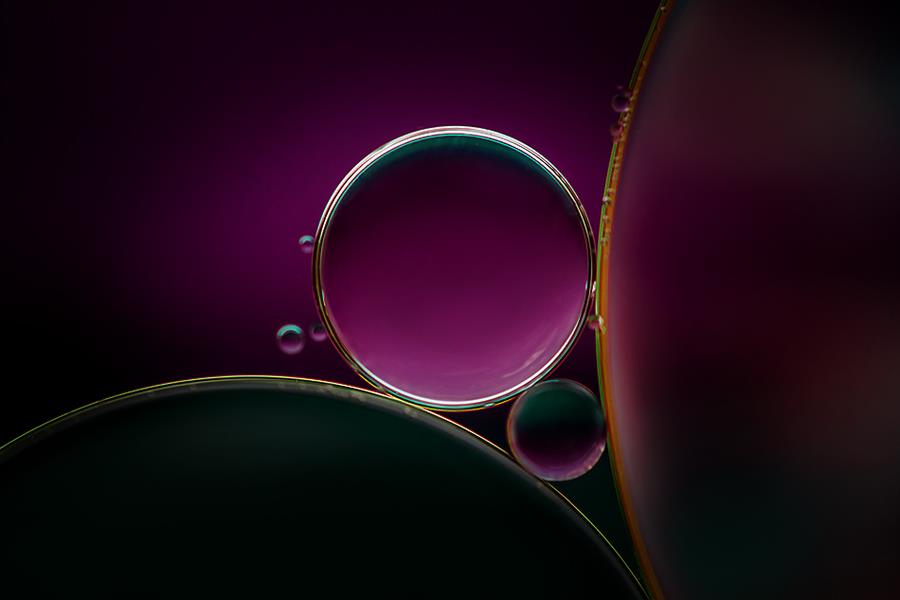
Stained Glass Reflections by Terri Creasy




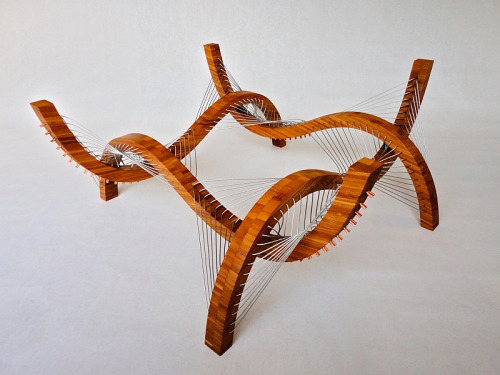


Tense Table 2.0 - by Robby Cuthbert
Source: http://robbycuthbert.com/


Chris Klapper: Prana
PRANA consists of approximately 2000 hand-cast sphere-like shapes, spanning a 20-foot wall. Using light as its medium, PRANA translates various breathing responses to express the subtle interactions of life in its physical form. The installation utilizes a network of sensors by digital techniques and programmed processes to convey changes in the physical environment and interactions encountered with its audience. During this exchange, breath creates an intimate relationship between the viewer and the piece. PRANA, Sanskrit for “breath,” is responsible for the beating of the heart and bringing life to every cell throughout the circulatory system. The project becomes a statement on the interconnectedness of all things in nature, and in life. It is a sculptural installation constructed into an organic whole. The community and PRANA mutually engage in a physical conversation through both art and technology.
Partnered with Electrical Engineer Jen Lusker to create Prana.


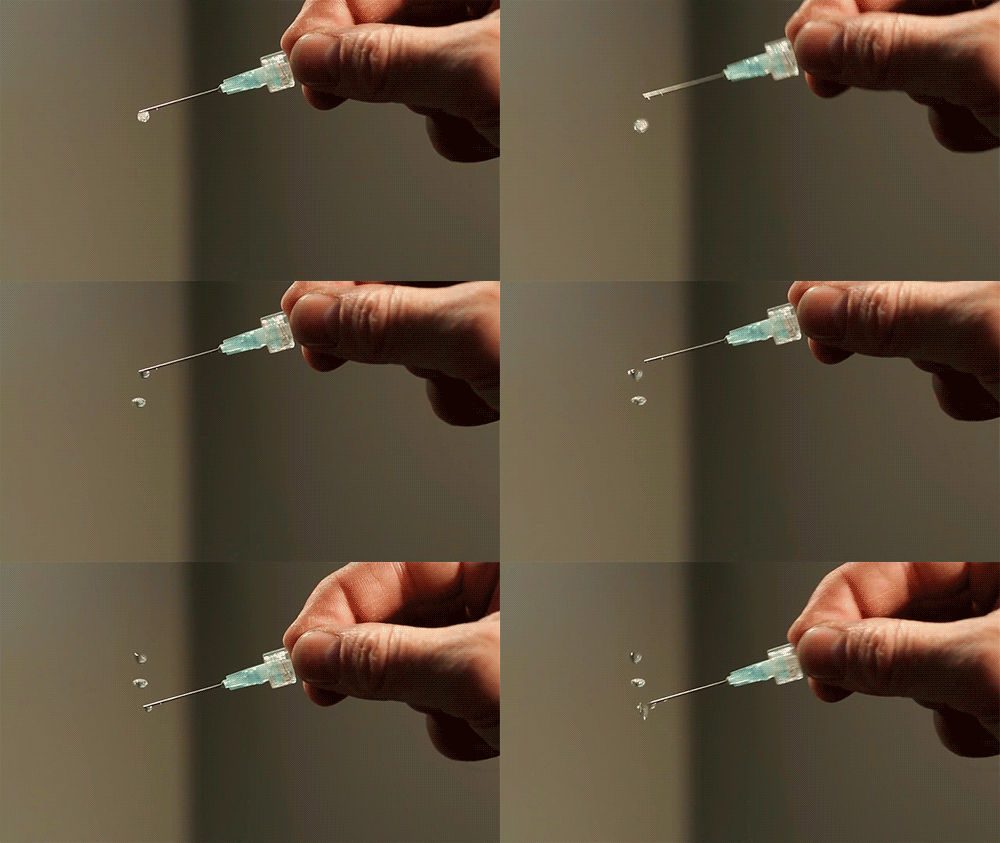


Acoustic Levitation
Using sound waves to levitate individual droplets of solutions containing pharmaceutical drugs and drying them in mid-air. Why do this? This is useful because most of the drugs on the market are either amorphous or crystalline and the crystalline form doesn’t get absorbed by the body. So levitating the solution allows the drug to be made into an amorphous state (by evaporation) because if it were to touch any surface it would simply crystallize. They call this “containerless processing”.
The frequencies used are just above the audible range at about 22 kilohertz and when the two speakers are aligned they create two sets of sound waves, perfectly interfering with each other creating a phenomenon known as a standing wave. This allows the objects to levitate in areas within the waves known as nodes as the acoustic pressure is enough to cancel the force of gravity.