

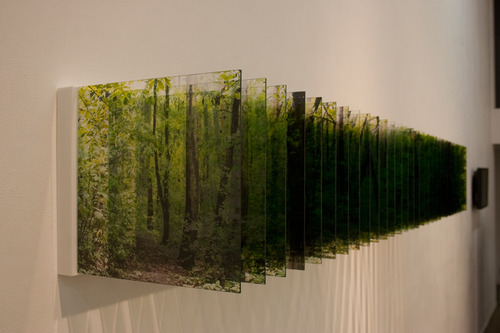

Source: http://hifas.tumblr.com


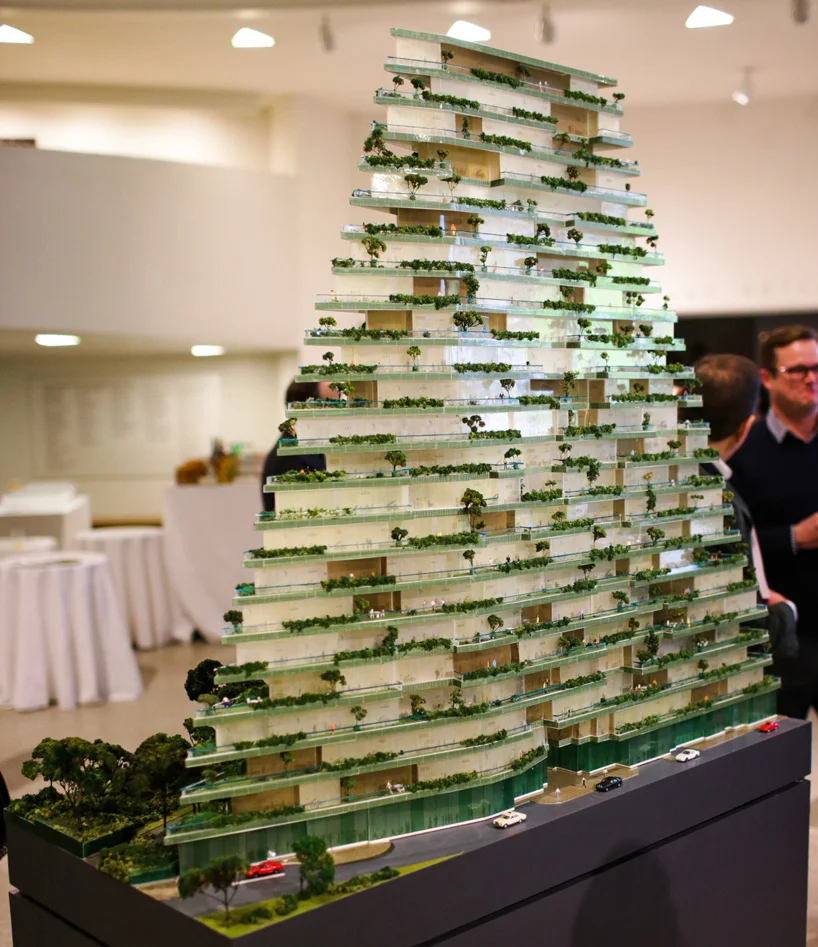


Source: http://anndesignn.tumblr.com/


Tsunami 1.26 by Janet Echelman
Tsunami 1.26 an aerial lace installation, was inspired by the 2010 Chile earthquake’s ensuing tsunami and the 1.26-microsecond shortening of the day that resulted from the earthquake’s redistribution of the Earth’s mass. By meditating on these epiphenomena, the work underscores the interdependence of Earth systems and the global community. It asks the viewer to pause and consider the larger fabric of which they are a part.
Source: http://anndesignn.tumblr.com/


A world record-breaking 20,000 pink LEDs light up the Shiroyone Senmaida rice paddies in Japan.


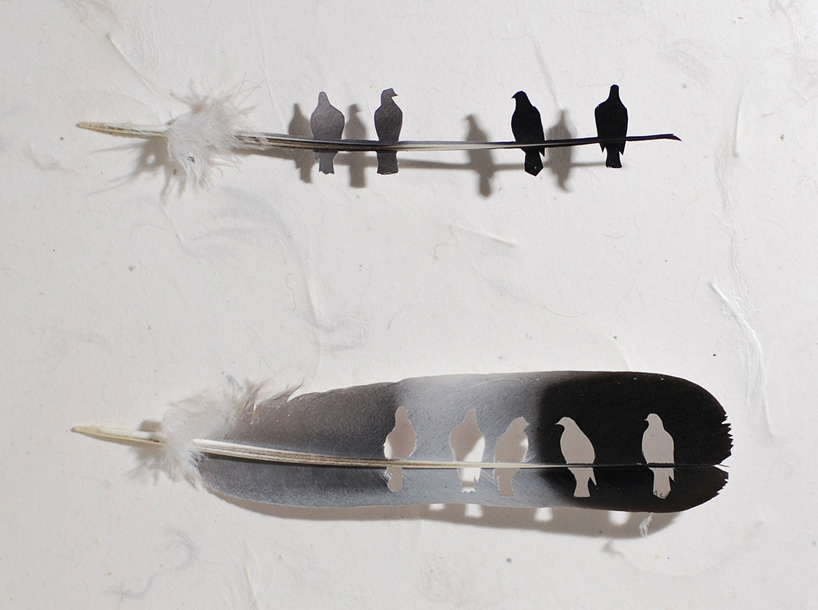


rammed earth & clay tiles by Martin Rauch, Vorarlberg, Austria


Pythagorean Theorem
via xwidep
Source: http://ForGIFs.com

SANAA | صنعاء
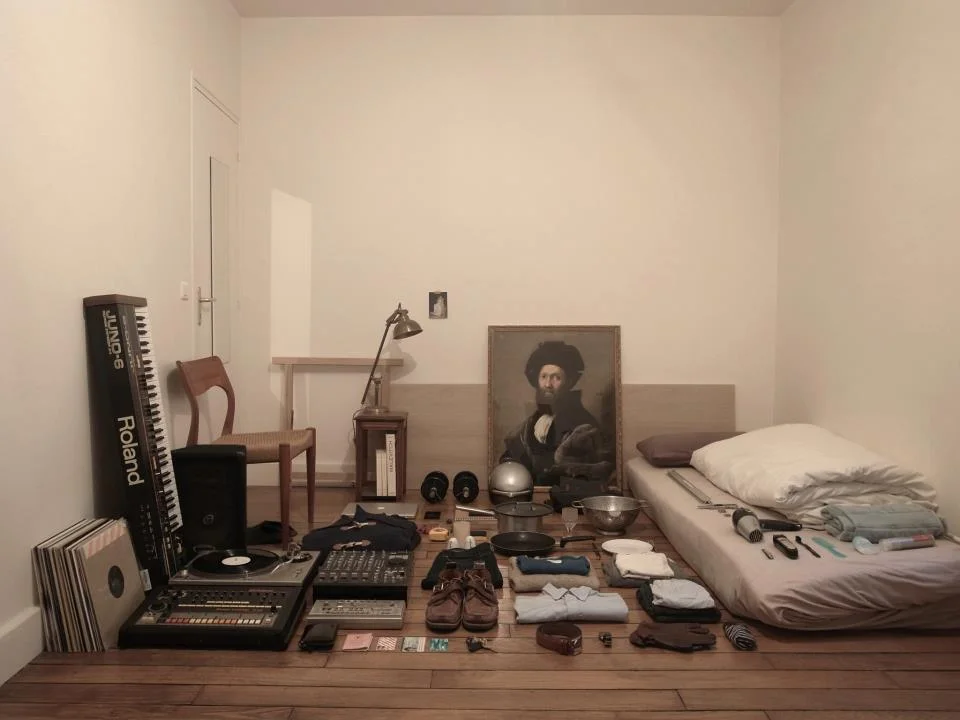
SUBMISSION: Live with only 100 objects for one week.
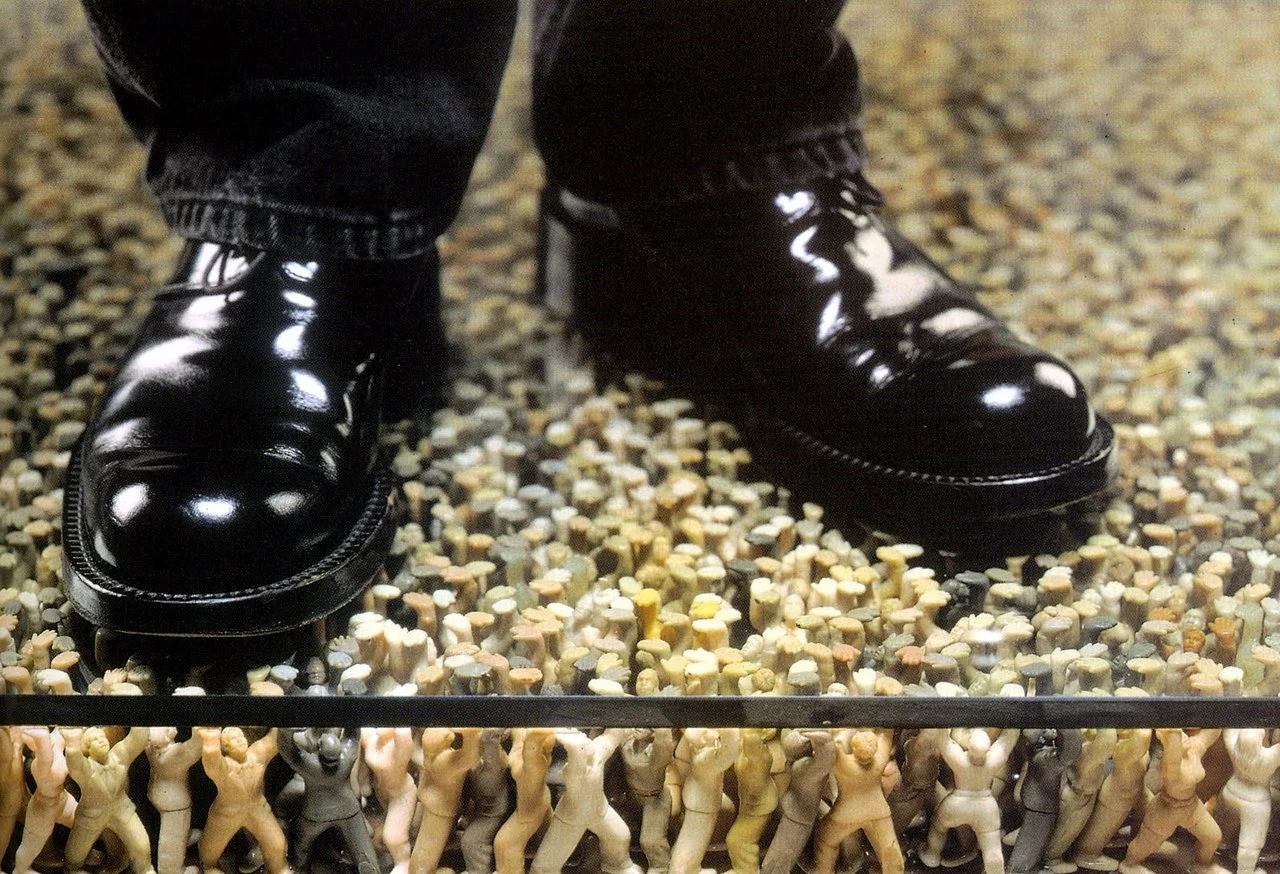
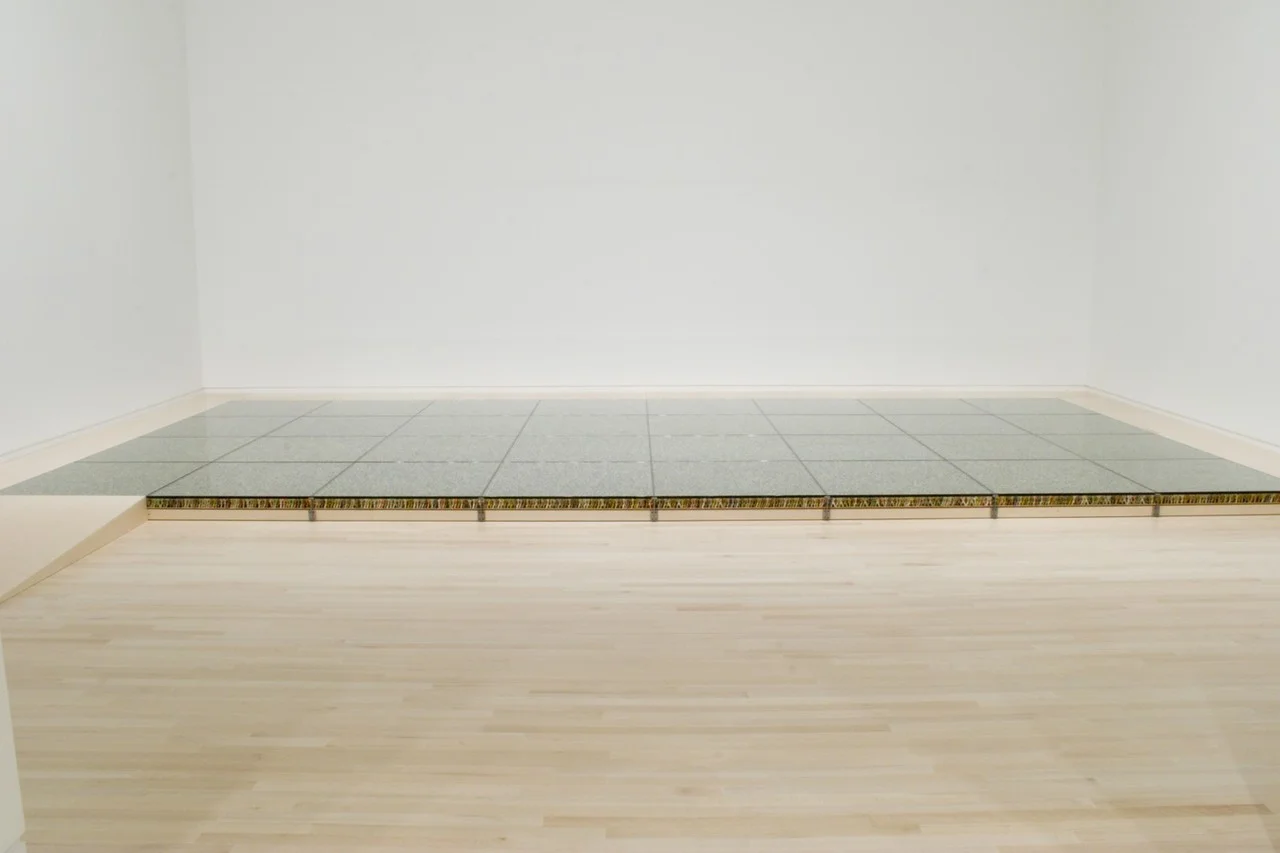
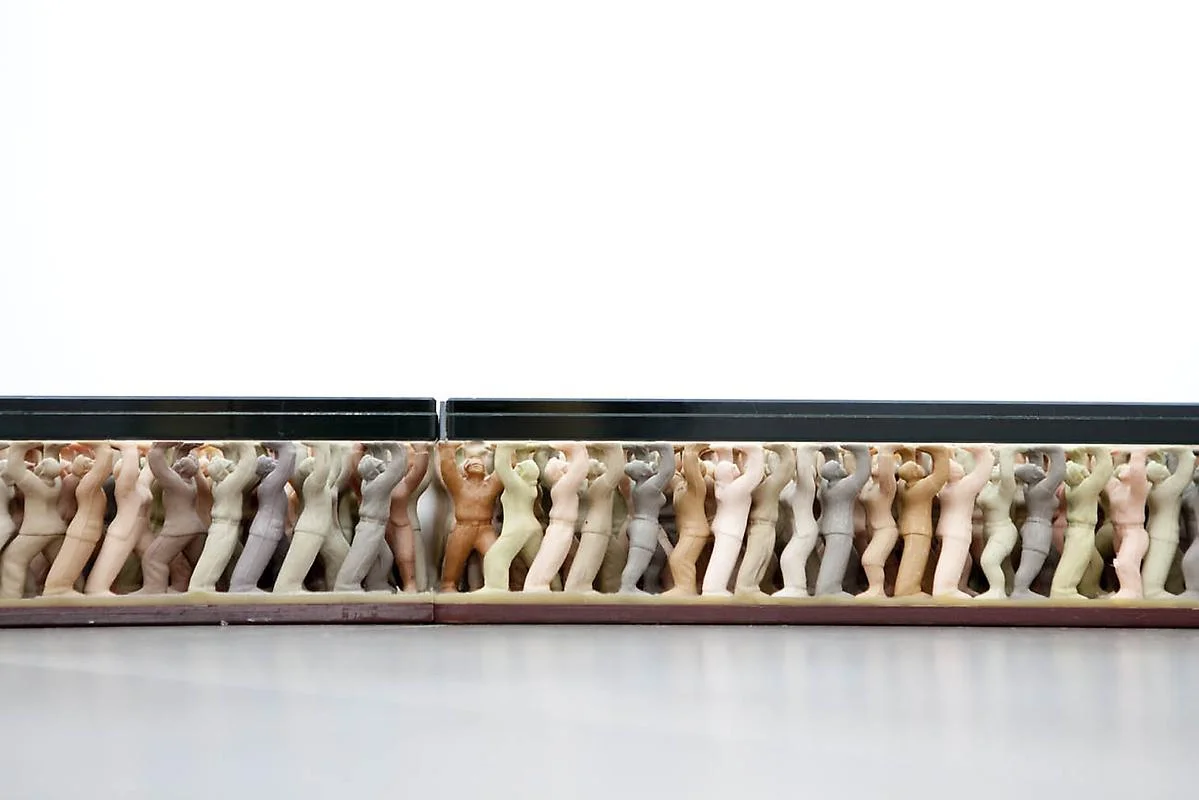
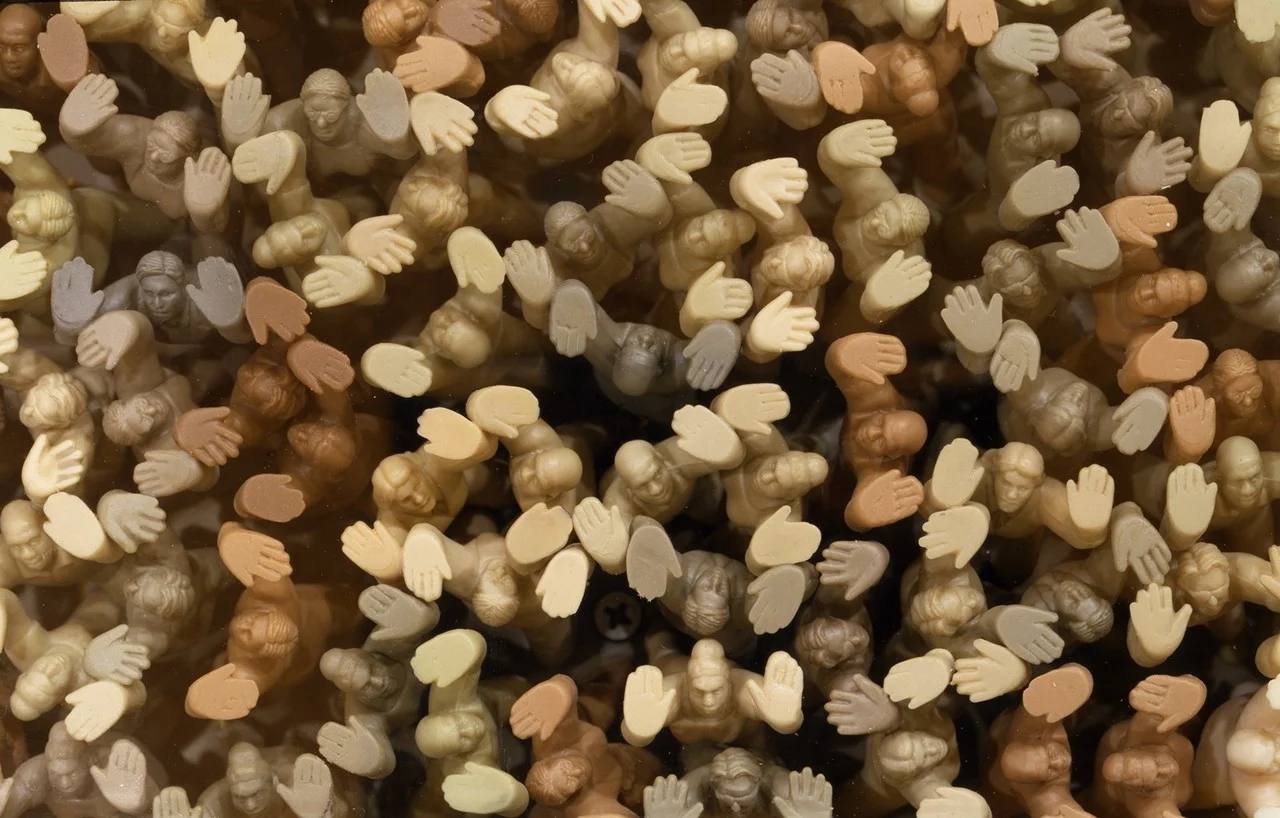
Do Ho Suh, Floor, 1997-2000
From the Indianapolis Museum of Art:
Floor is a sculptural installation commissioned for the IMA contemporary collection. The piece is scaled to fit in this gallery in a grid of 32 individual squares. Upon entering the gallery, viewers are invited to step up onto an expansive platform covered with thick glass plates.
Beneath the glass platform, small specks of color are visible. On closer examination, these are revealed to be the small palms of figures assembled below the floor. Hundreds of multicolored men and women crowd together with heads upturned and arms aloft. The collective strength of this Lilliputian group supports the weight of individual visitors who step up onto the floor grid.
Floor demonstrates many characteristic elements of Do-Ho Suh’s broader body of work. The artist uses installations to integrate his artwork with the architecture of a gallery or public space. He has engaged the tensions between collective action and individual identity in other pieces, using his miniature figures to support a heavy stone pedestal or to form a tremendous screen with their interlocking bodies. With residences in Seoul, Korea and New York City, the artist also has considered ideas of “home” or displacement in his works, including reconstructing 1:1 scale models of his apartment out of nylon in gallery spaces. Do-Ho Suh uses Floor’s subtle occupation of this gallery, and scale displacement, to present a cross-cultural exploration of personal and communal space.


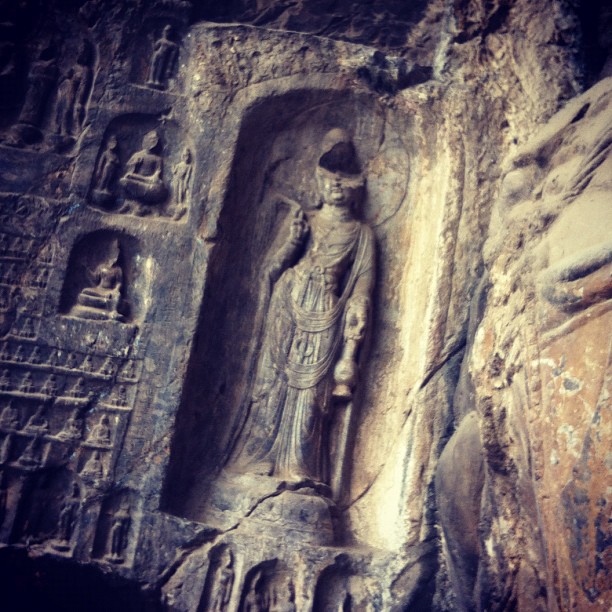
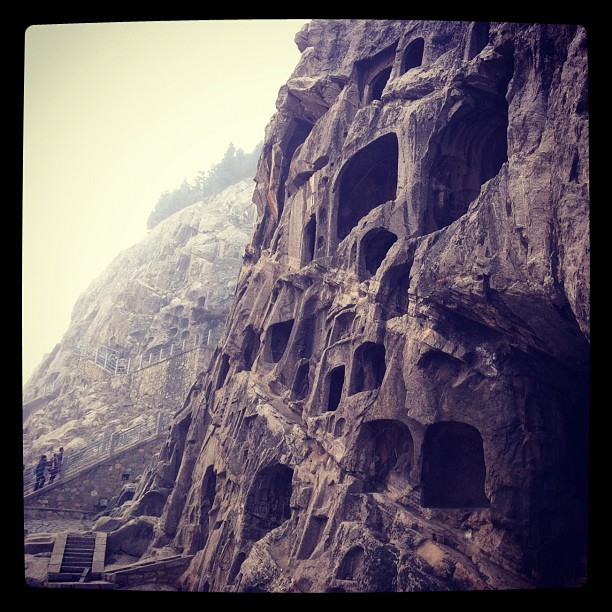
Longmen Grottoes (龙门石窟)
To see more photos of the caves and Buddhist sculptures, check out photos posted from the Longmen Grottoes location page.
The Longmen (Dragon’s Gate) Grottoes constitute one of the most important sites of Chinese Buddhist art and iconography. Nearly 100,000 statues fill more than 1,400 caves carved directly into the limestone cliffs along the Yi River in Henan Province. The carvings range from heights no larger than an inch tall to the the towering 57-foot tall Vairocana, or cosmic Buddha, commissioned by Empress Wu Zeitan of the Tang Dynasty in 672 AD. The Buddha’s ears alone measure six-and-a-half feet. Considered the pinnacle of Tang Dynasty art, the Buddha is strongly believed to be carved in the likeness of the Empress herself as an homage to her patronage of the construction.


UP by Christopher Duffy
via/designboom/
Source: http://anndesignn.tumblr.com/


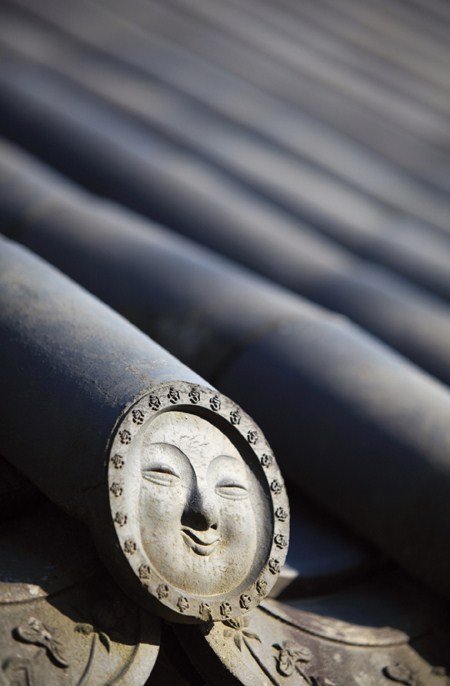
Smiling roof tiles of Hwaeomsa Temple in South Korea.

Asta Gröting at carlier gebauer


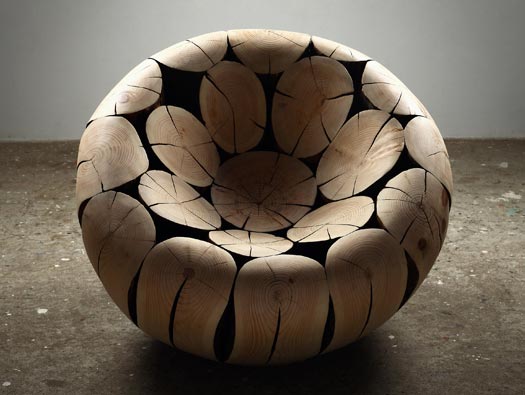
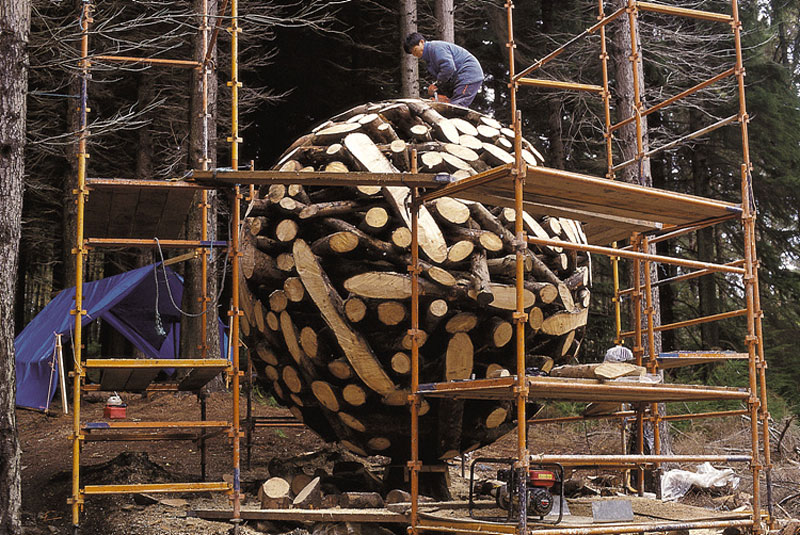
Wooden Sculptures made from Interlocking Wood by Korean artist Lee Jae-Hyo
These are beautiful sculptures…


Desert Air
Images from the third book by photographer George Steinmetz whose preferred method of capturing the images of the earth below him is from the suspended seat of his powered paraglider.

“This is a photograph of a high current plasma discharge at a frequency of about 3MHz. It provides multiple visual aspects of the fourth State of Matter as support for young science classroom lesson planning.” -Kim Falk & Jess Falk.