
Whenever a wing stops or starts in a fluid, it produces a vortex. This 2D numerical simulation shows an airfoil repeatedly starting and stopping, shedding a vortex each time. Note how the line of vortices drifts downward in the wake; this is an indication of downwash. (submitted by jessecaps)
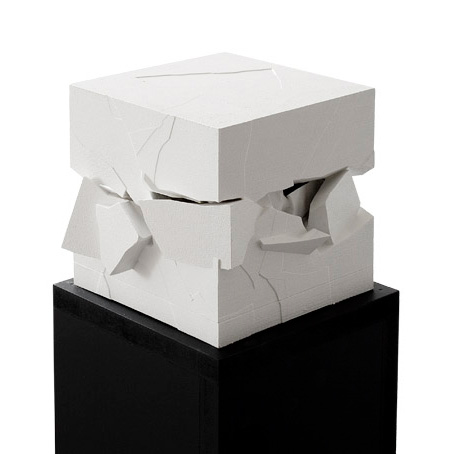

Detail of a Cast Iron Ornament from Carson Pirie Scott Building (1899) designed by Louis Sullivan, restored by Harboe Architects.
Photo by Tim Samuelson.

‘I Wonder’ - II


Saturn’s Great White Spot, which occurs about once every 30 Earth years, is a windy, towering cloud of ammonia and water spewing out super jolts of thunder and lightning. The storm is about 10,000 times stronger than those on Earth.
Photo credit: NASA
The Known Universe by AMNH
The Known Universe takes viewers from the Himalayas through our atmosphere and the inky black of space to the afterglow of the Big Bang. Every star, planet, and quasar seen in the film is possible because of the world’s most complete four-dimensional map of the universe, the Digital Universe Atlas that is maintained and updated by astrophysicists at the American Museum of Natural History. The new film, created by the Museum, is part of an exhibition, Visions of the Cosmos: From the Milky Ocean to an Evolving Universe, at the Rubin Museum of Art in Manhattan through May 2010.
Data: Digital Universe, American Museum of Natural History
http://www.haydenplanetarium.org/universe/(via @eglinski)
Ollie Palmer. The Godot Machine..... →

H2O Pearl (via Stéphane Giner)
I want to try this, now :)

Wired Science has published a gallery of fluid dynamics photos and videos, several of which have been featured here previously. There’s some neat stuff there, well worth checking out. #
This image shows two flags oriented in line with a film flowing top to bottom. The second flag interrupts the wake of the first one, which reduces the drag experienced by the first flag and increases that on the second. This is called inverted drafting and occurs because the flags are passive objects that bend to every change in the flow. #

“stain waiting to happen” - Ariel adv by BBR Saatchi & Saatchi
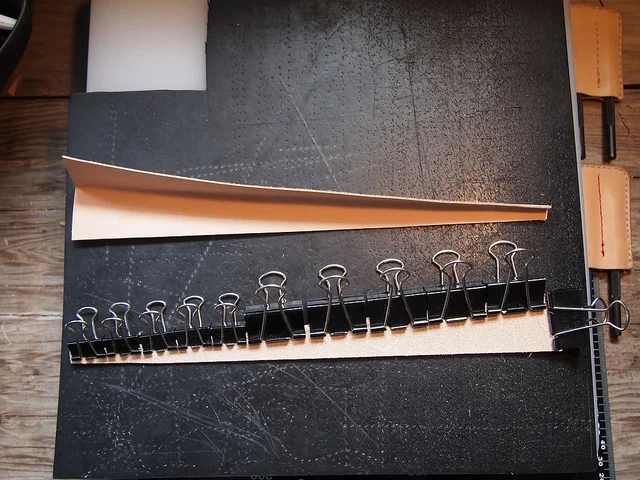
SUBMISSION:
Creasing leather.
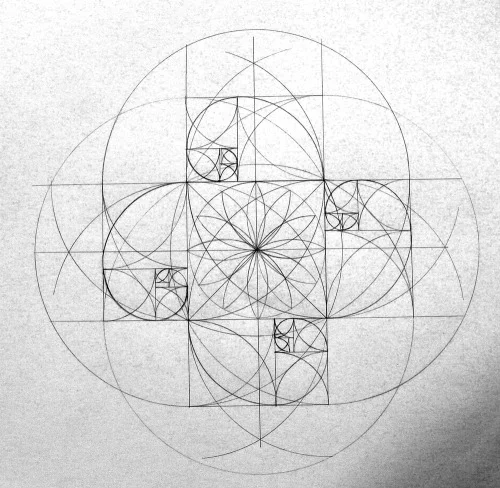
un:
FibonacciBeautiful geometric construction. The spirals are a nice touch.
I love this!

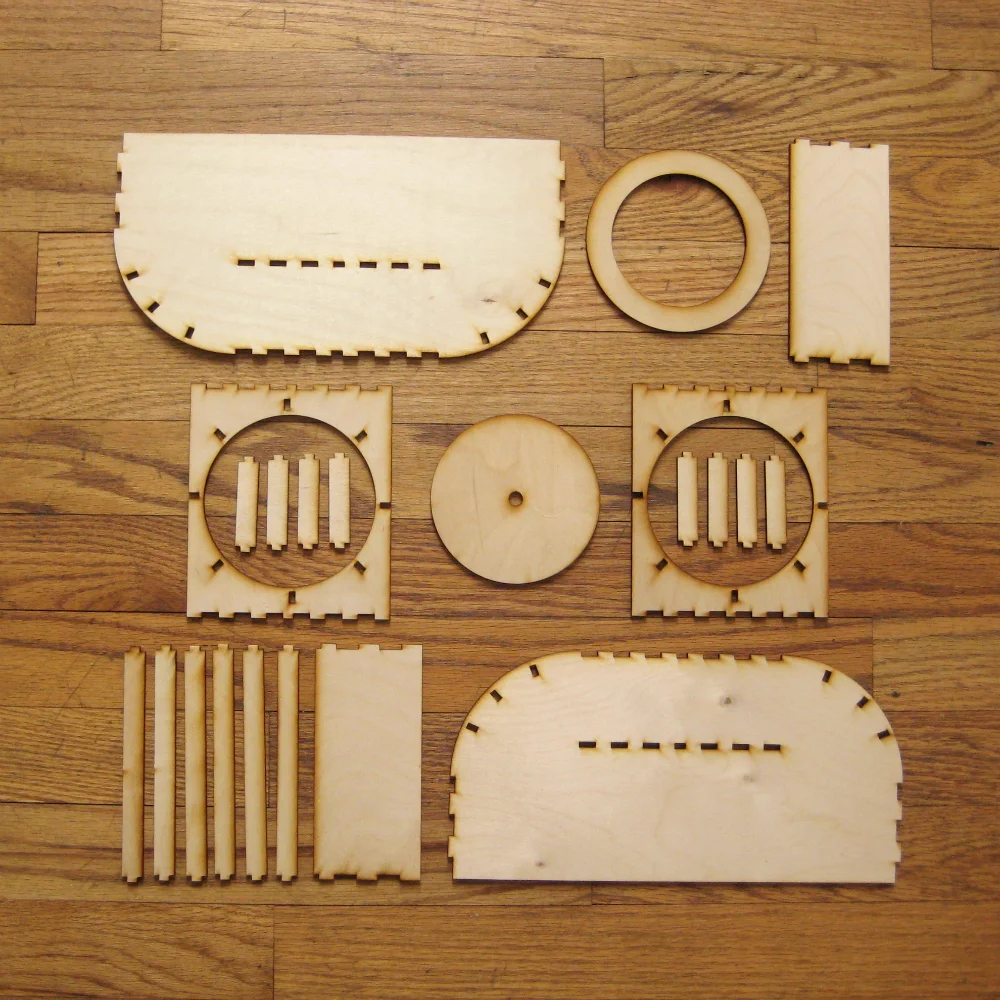
SUBMISSION: A set of parts that are fresh from the laser cutter. To see what they became, click here.
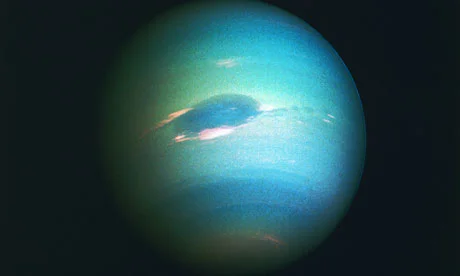
One year ago, we discovered Neptune.
One Neptunian year, that is. See, it takes Neptune 164.79 years to go around the Sun, and it’s been that long since it was discovered - on September 23, 1846.
(via The Observer)
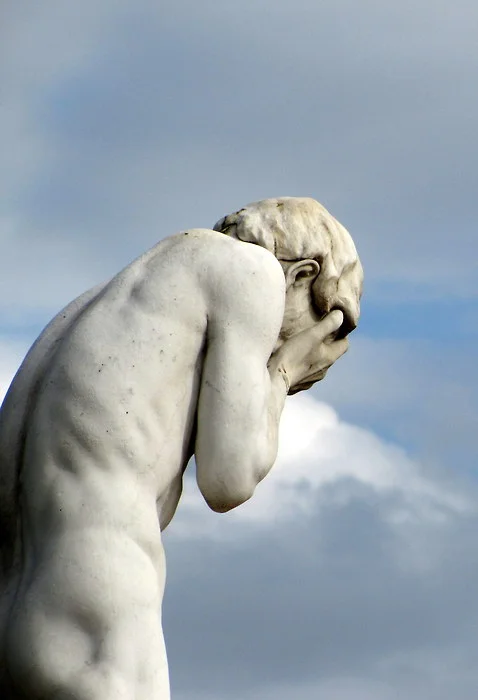
The Tuileries Garden ~Jardin des Tuileries, Paris

stainless steel straws